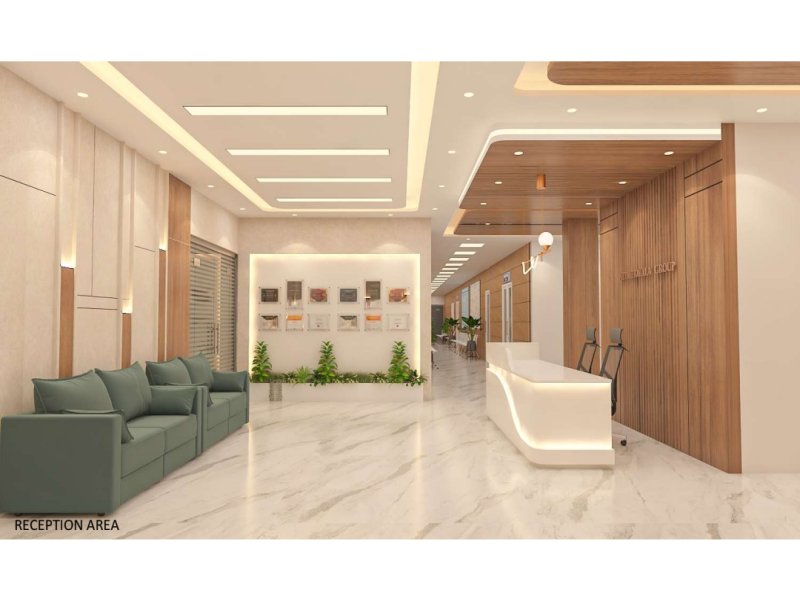
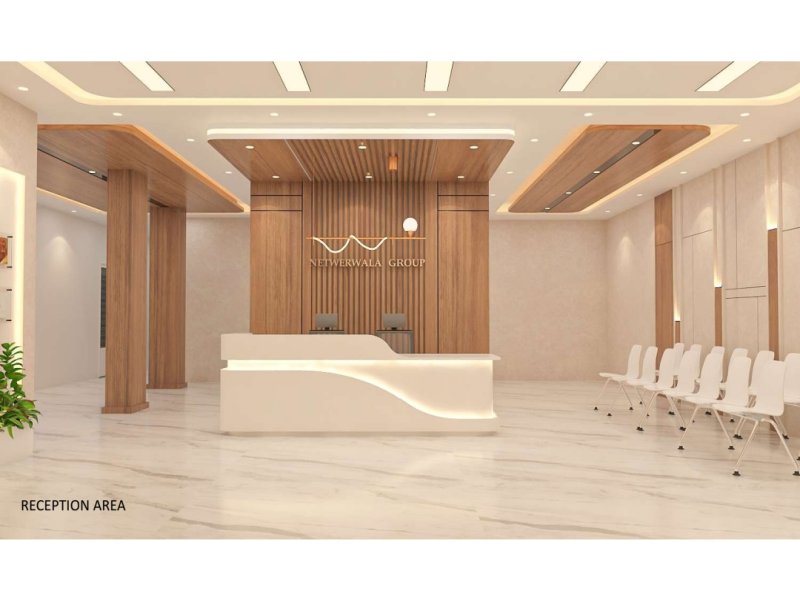
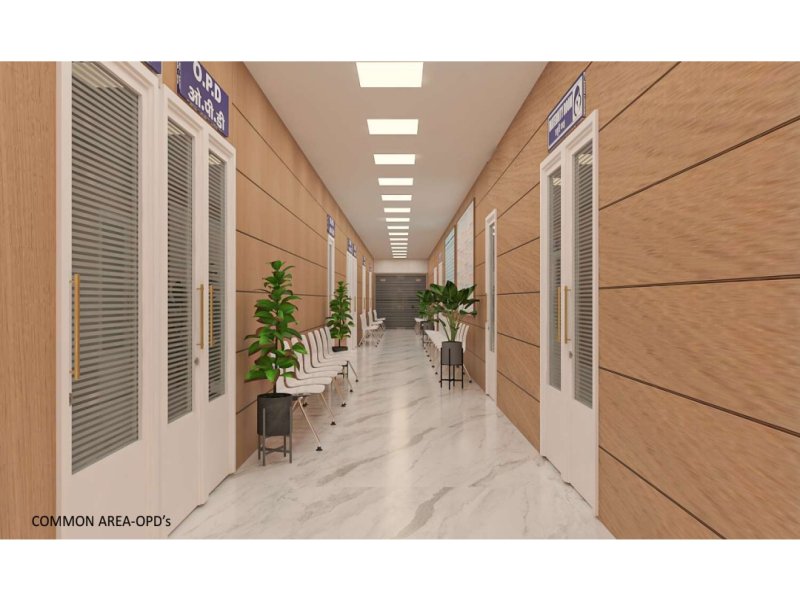
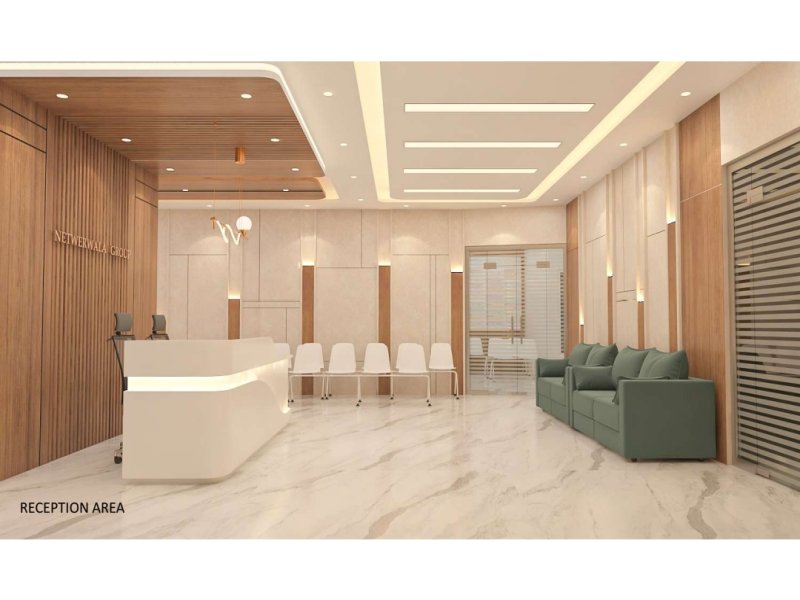
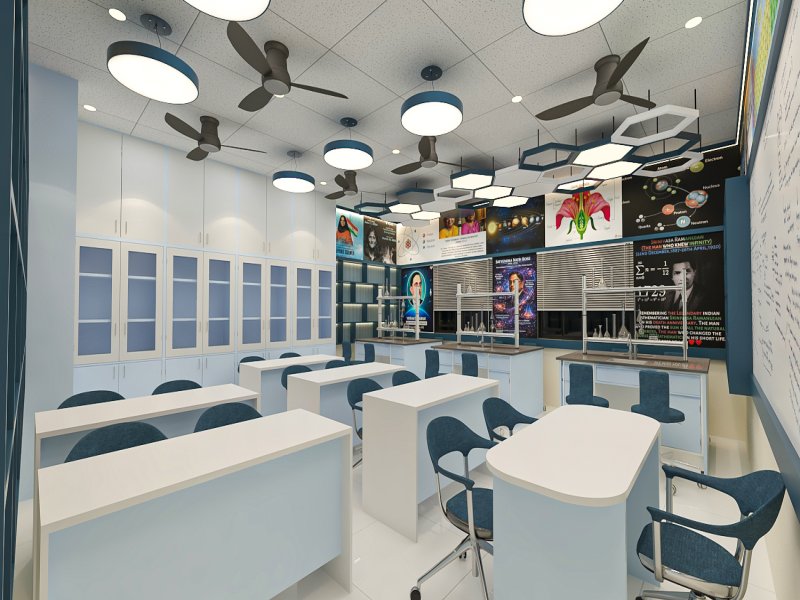
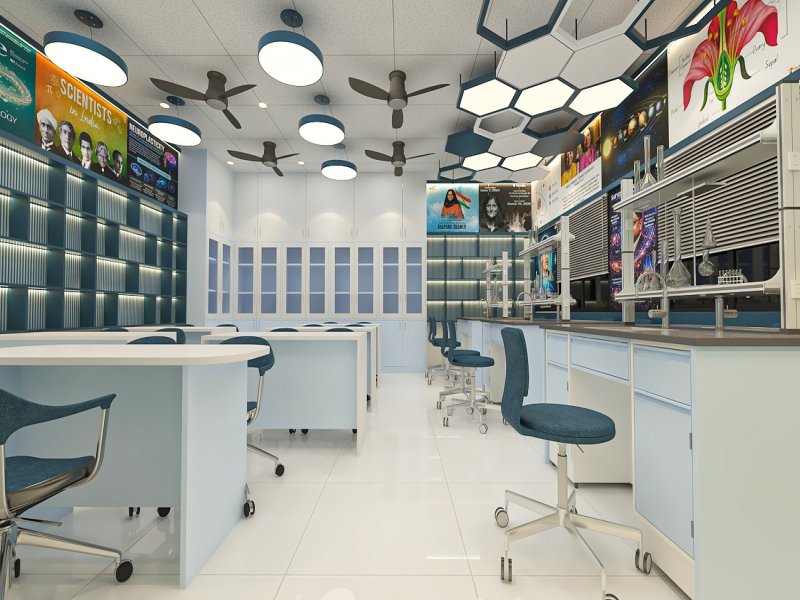
commercial interior design
highlights its role as a multidisciplinary practice that transforms business environments into spaces that are both functional and visually compelling. It goes beyond decoration, focusing on how design can influence productivity, customer behavior, and brand perception.
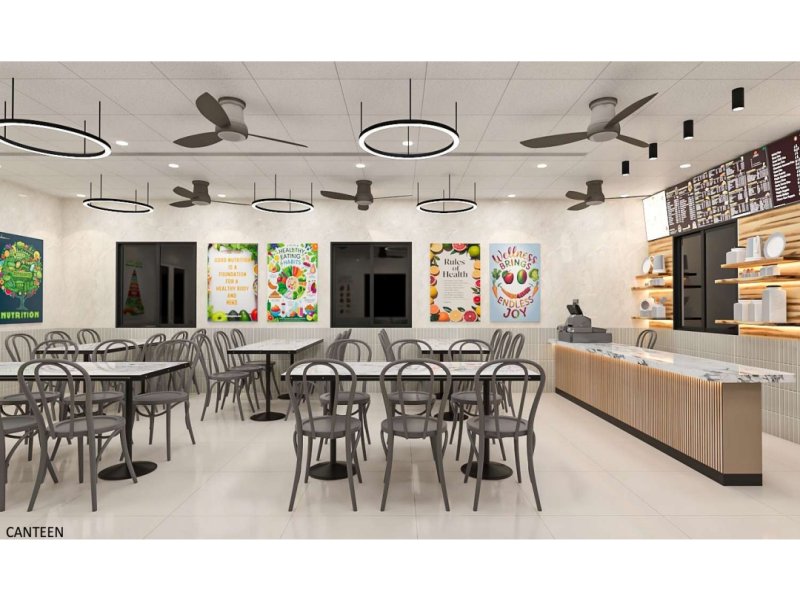
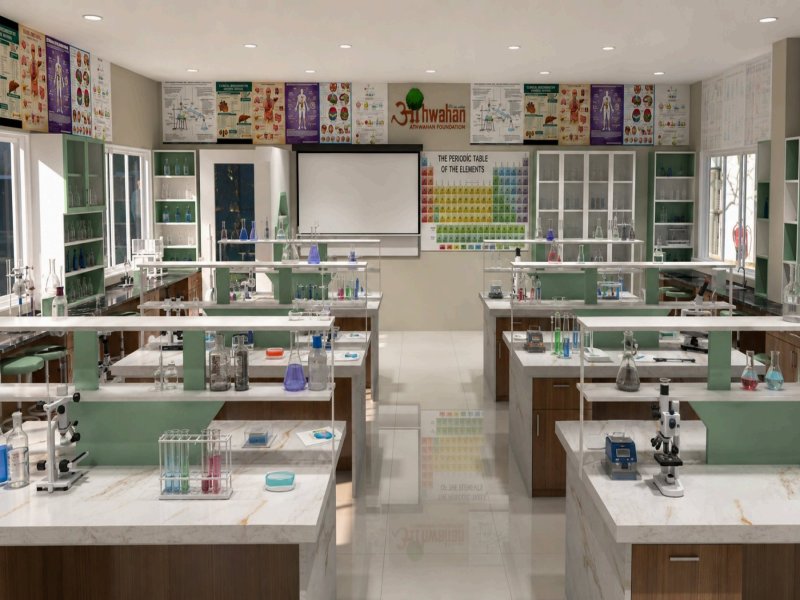
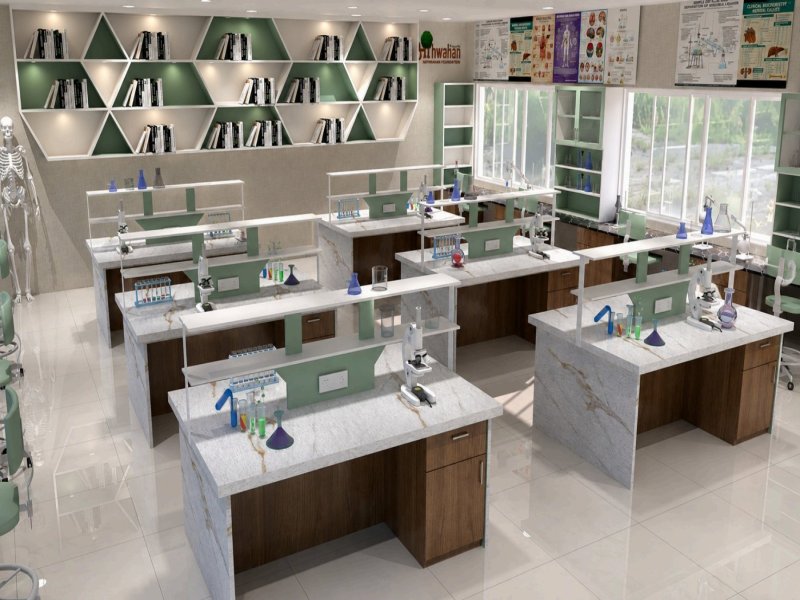
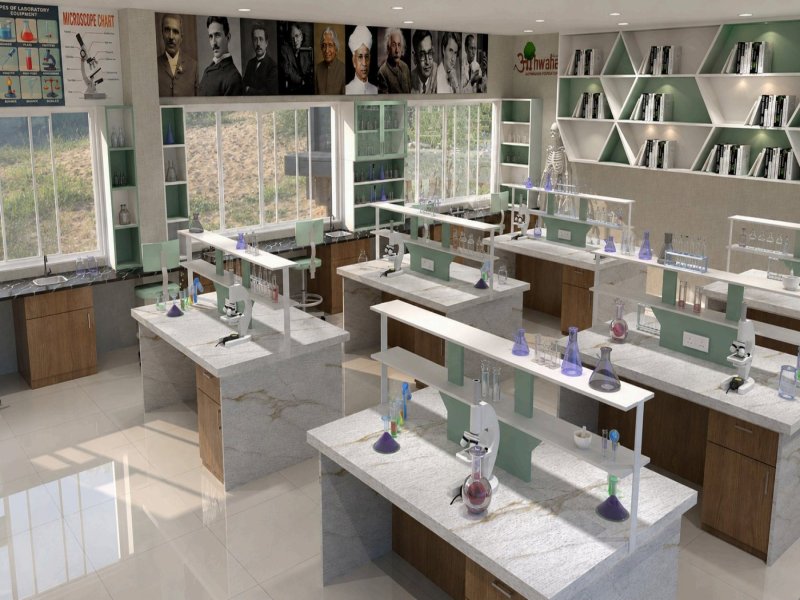
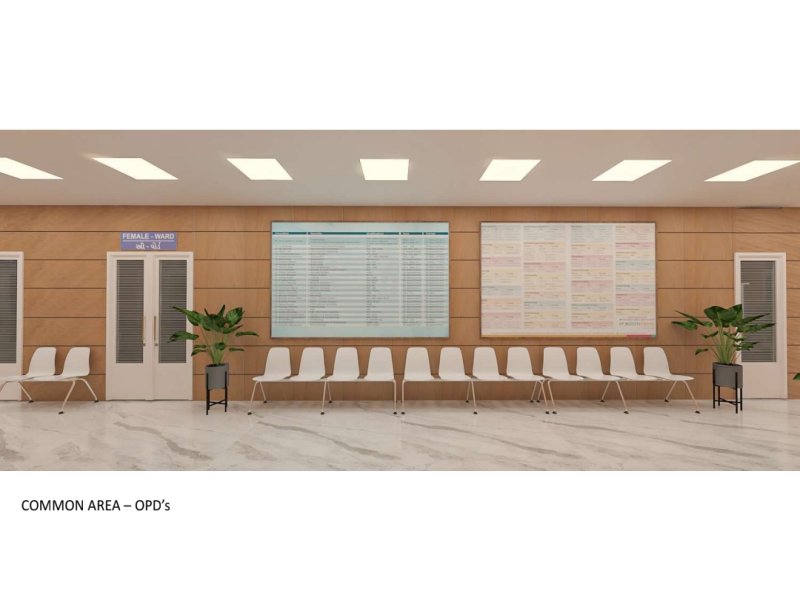
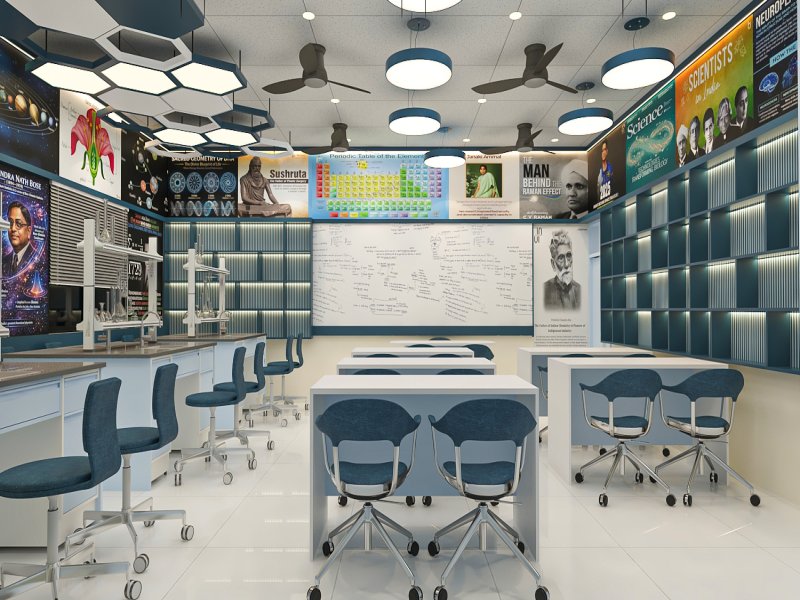
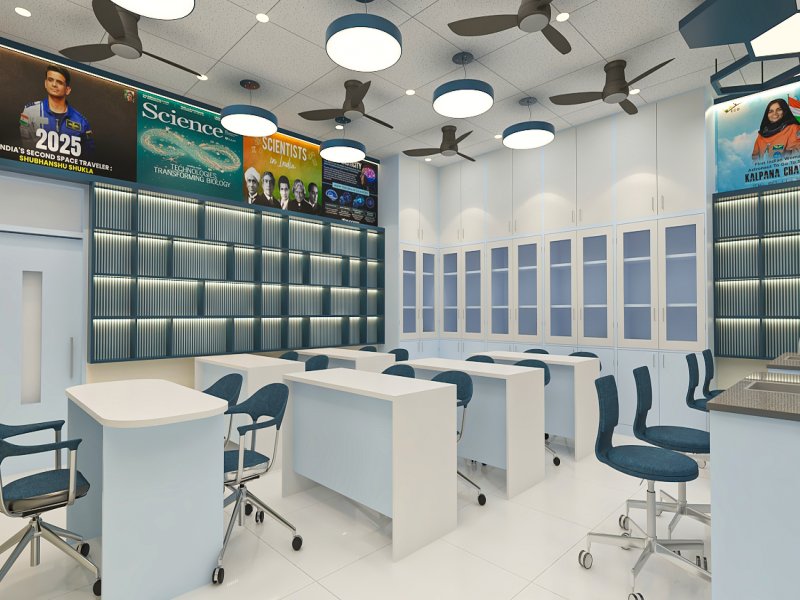
Commercial interior design involves strategic **space planning** to maximize efficiency, ensuring that offices, retail stores, restaurants, and hospitality venues are tailored to their specific purpose. Designers integrate **ergonomic furniture**, innovative layouts, and cutting-edge technology to create environments that support employee well-being and customer engagement.
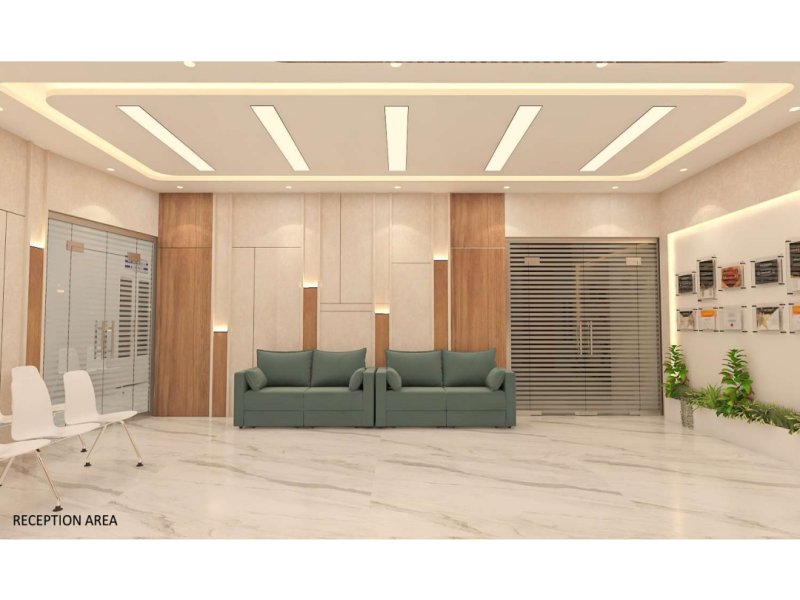
Equally important is the alignment of interiors with **brand identity**. Through the use of color schemes, textures, lighting, and materials, designers craft spaces that embody the company’s values and leave a lasting impression on clients and visitors. Sustainability also plays a key role, with emphasis on **eco-friendly materials** and energy-efficient solutions that reduce environmental impact while enhancing long-term value.
Ultimately, commercial interior design is about creating spaces that balance aesthetics with practicality. It transforms ordinary workplaces into inspiring hubs of creativity, retail stores into immersive shopping experiences, and hospitality venues into memorable destinations.
Would you like me to refine this into a **professional brochure description** for marketing purposes, or expand it into a **detailed article** that explores trends, challenges, and innovations in the field?
 9767307311
 Info@dreamscreator.net
 Lohegaon, Pune, Maharashtra 411032